An immersion
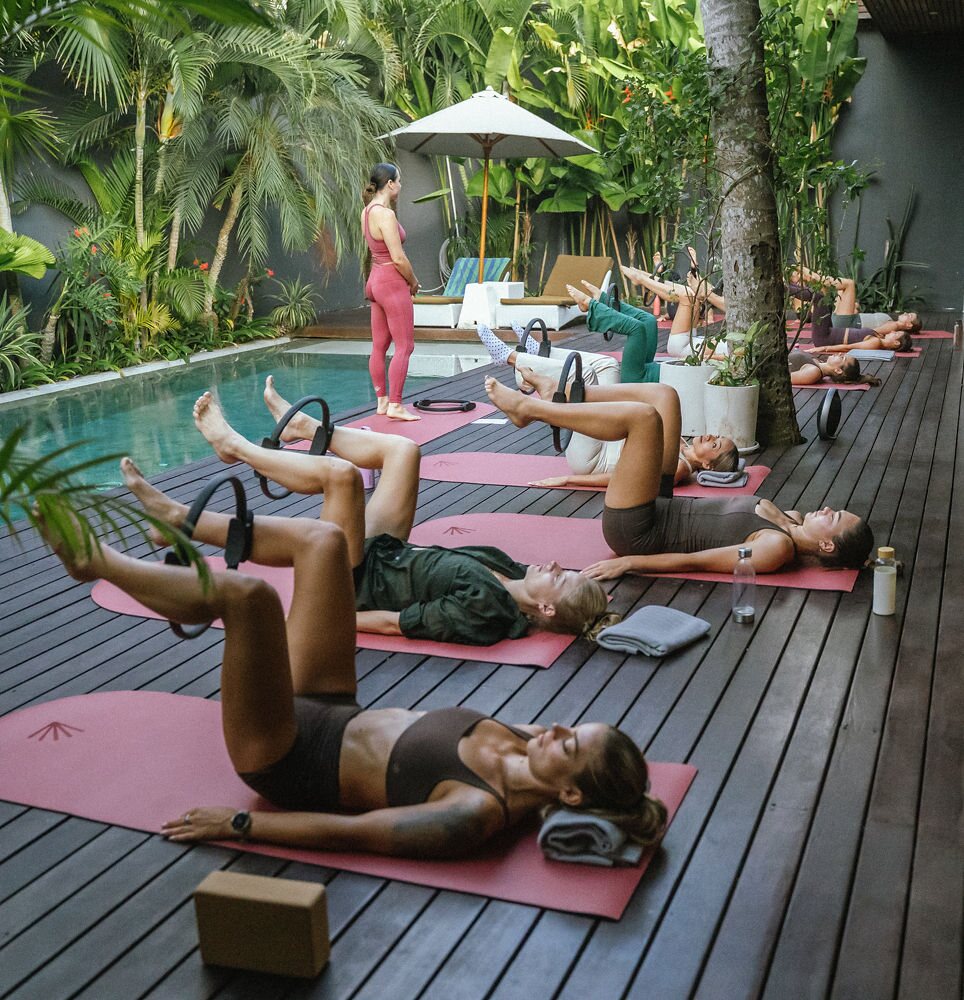
A block of consecutive days, often somewhere you travel to. You step out of daily life and learn intensively, with the same group every day.
By Maria Frisch, founder of Rooted Movement
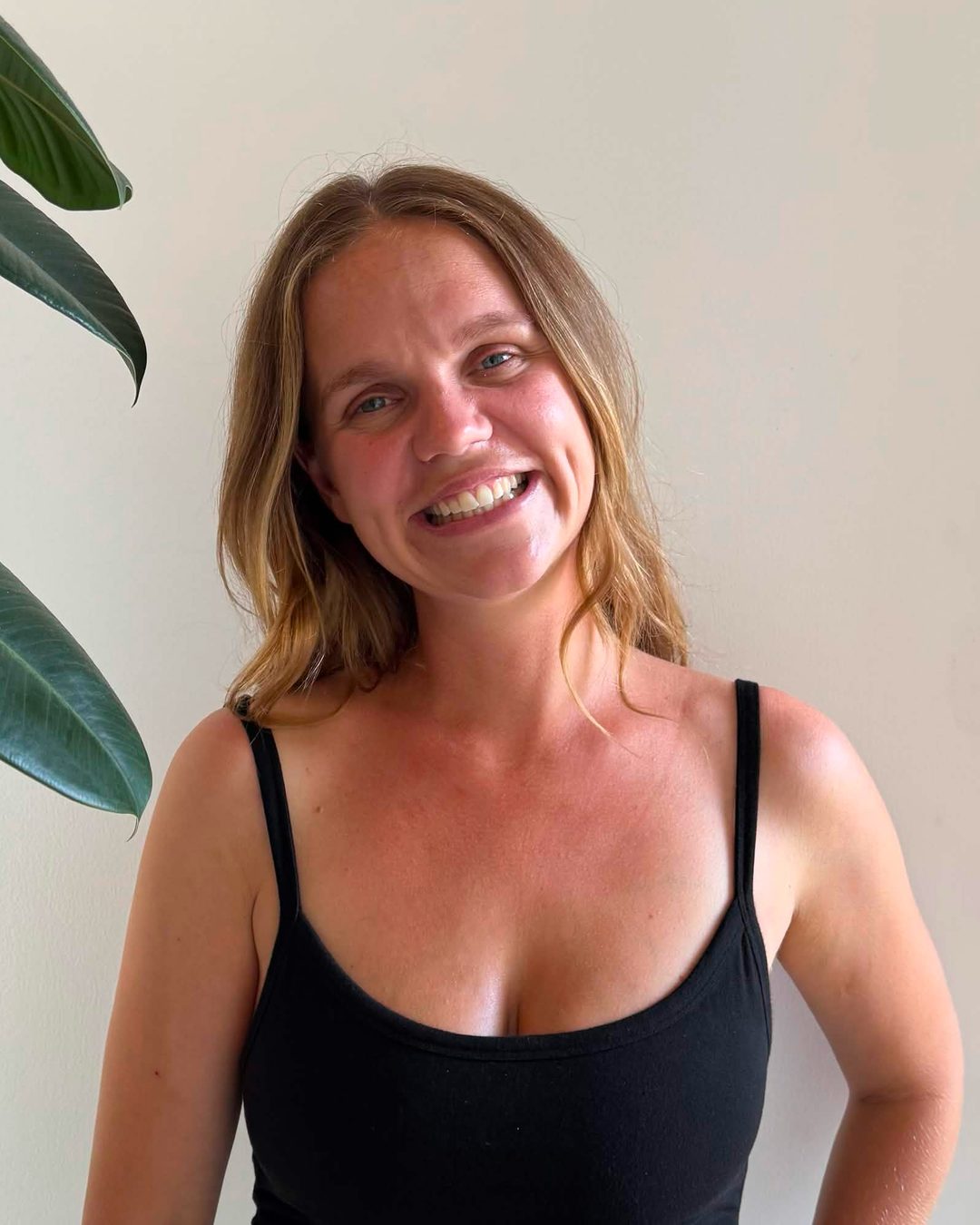
I’ve spent more than 10 years creating and running teacher trainings, and I know how hard the choice can feel. A teacher training is a big decision, of both time and money. There are many good options, and on paper they often look the same. These are the questions I’d want any future student to ask before booking, wherever they end up training.
Many studio classes are taught on the Reformer, and Mat gives you the foundation for everything else. Check which apparatus the training covers, and whether you’ll be able to teach both straight after.
You learn to teach by teaching real bodies, with someone watching and correcting you. Online study is valuable for theory and repertoire, but look for real hands-on hours, not just video.
In a smaller group you get more feedback, more turns teaching, and teachers who know how you move. Ask how many students there are per teacher.
Knowing the exercises is different from teaching them. Look for time spent cueing, sequencing and teaching your peers, with honest feedback afterwards.
A clear assessment shows the certificate means something. Ask what you’ll be asked to do: teach a class, submit class plans, record yourself teaching.
Most of your growth as a teacher happens once the course ends. Look for structured practice afterwards, such as observation, practice teaching and a logbook, and someone to give you feedback while you do it.
Pilates has no single global licensing body, so studios look at what your training actually covered. It helps if they can see your hours, curriculum and assessment, and verify your certificate.
Both can lead to the same qualification. It’s about what fits your life.
A block of consecutive days, often somewhere you travel to. You step out of daily life and learn intensively, with the same group every day.
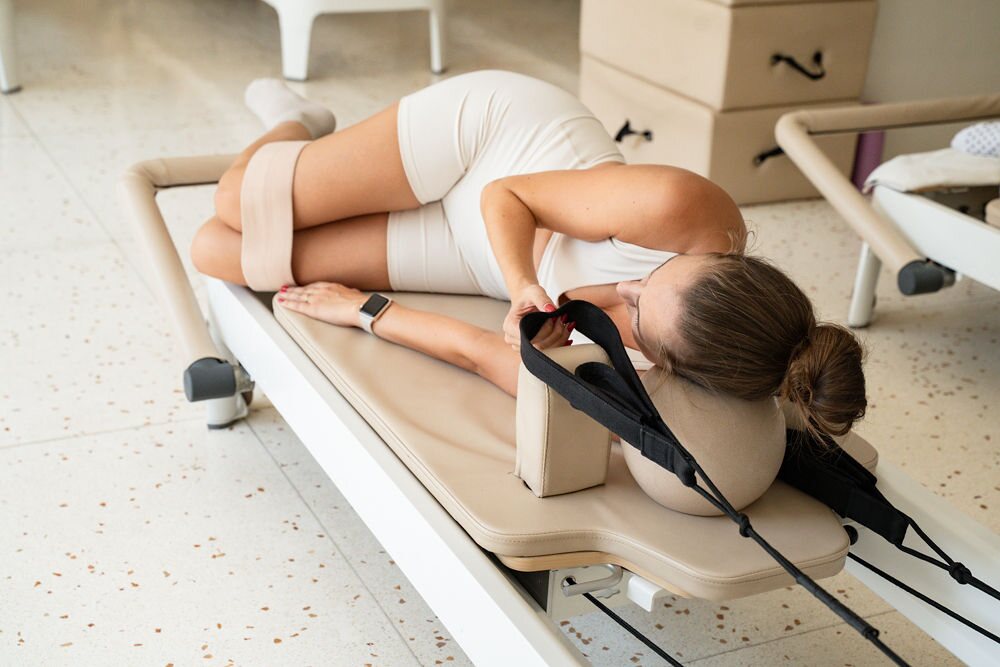
The in-person learning is spread across several weekends in your own city. You keep your work and routine, and have time to practise between sessions.
Ask how the in-person hours are split, and whether the certificate is the same in both formats.
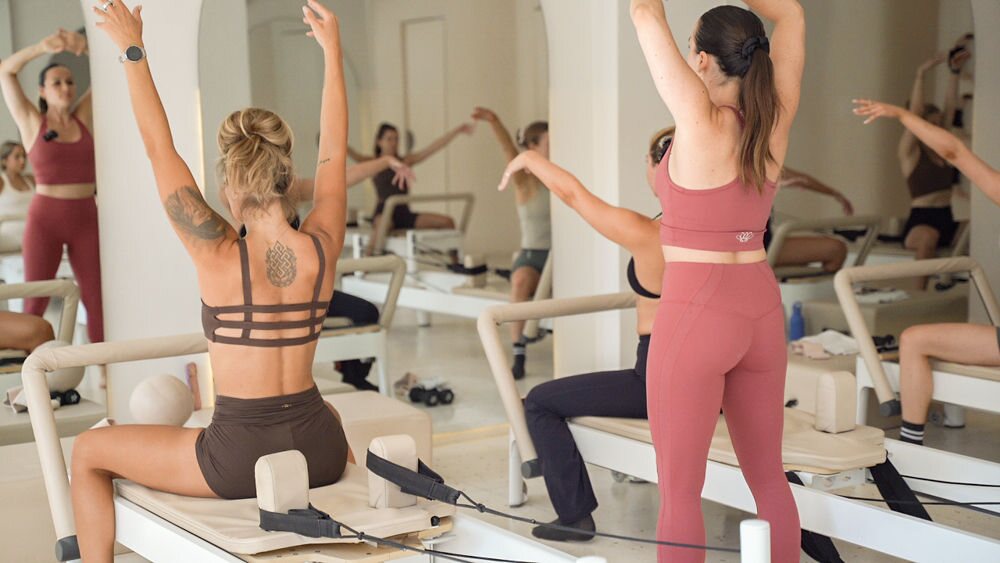
When I created Rooted Movement, these were the questions I wanted every student to be able to answer with confidence. Here’s how we do it:
See every upcoming Rooted training, or book a discovery call and ask us anything before you decide.